
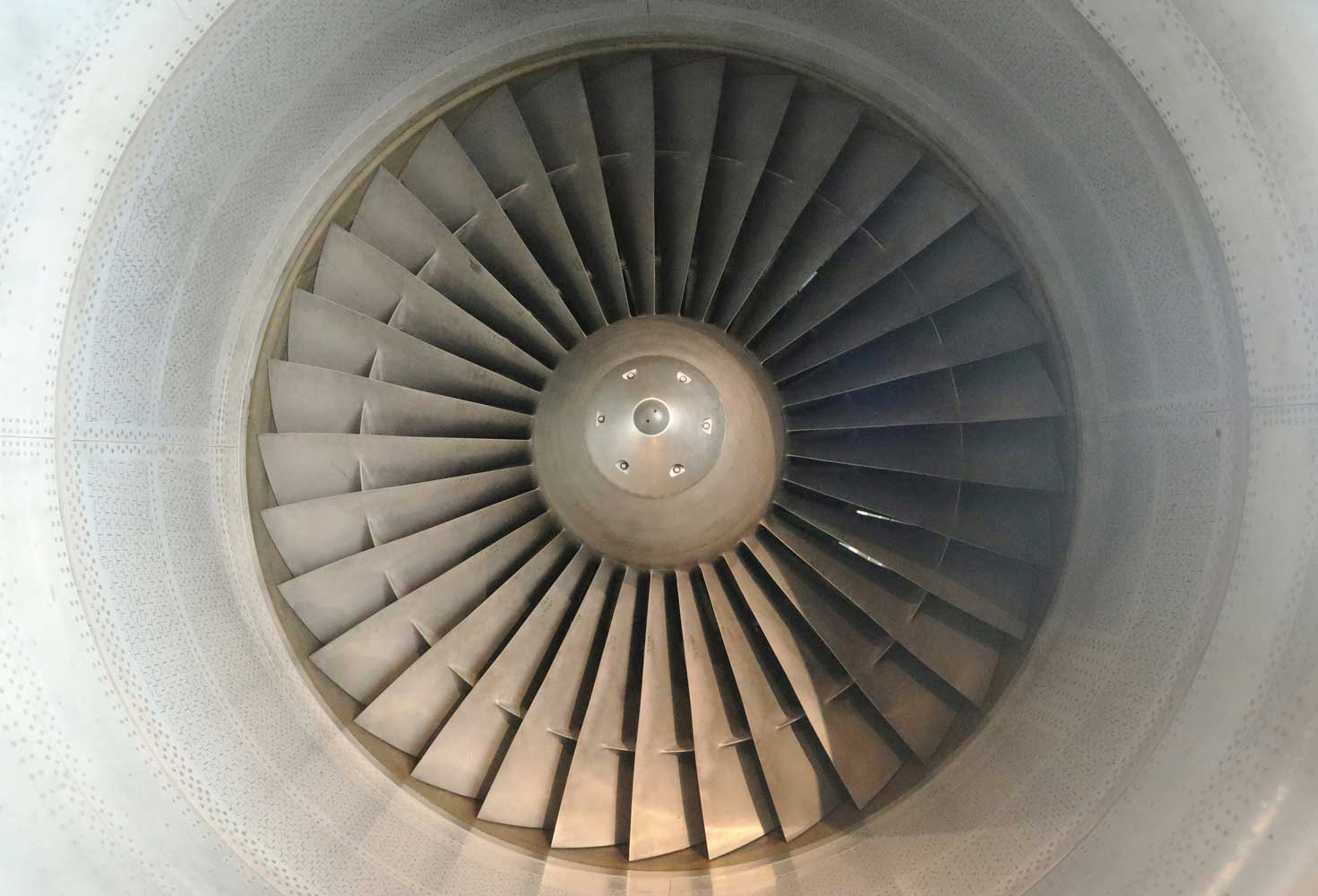
Turbine engines are designed to perform under extreme conditions, however most failures rarely happen all at once. They’re usually gradual, starting as small defects like impact damage, heat stress, oil issues that can compound quickly without early detection.
Understanding common turbine engine failure causes and how to prevent them can help protect performance, avoid unplanned downtime, and keep operations safe.
What Is a Turbine Engine?
A turbine engine is a type of internal combustion engine that converts fuel energy into mechanical power. Air is drawn in and compressed, mixed with fuel, and ignited, producing high-pressure exhaust gases. These expanding gases drive turbine blades, which generate thrust or drive machinery.
Turbine engines are commonly found in jet aircrafts, power-generation systems, and industrial machinery. While these engines are built to last, when one part of the operating cycle slips, the damage can spread quickly.
Common Turbine Engine Failure Causes
1. Foreign Object Damage (FOD)
One of the leading causes of turbine engine failure is foreign object damage, often caused by debris entering the engine’s intake. This could be anything from loose hardware and stones to birds or ice. Even a small object can cause nicks, cracks, or blade deformation, compromising the balance and aerodynamics of the turbine.
Prevention Tip: Conduct regular inspections and use borescopes to detect damage early before it leads to costly repairs or total failure.
2. Overheating and Thermal Stress
Turbine components operate under intense heat and pressure. If cooling systems fail or air-fuel ratios are off, parts such as turbine blades, seals, or bearings can overheat and deform. Over time, this can lead to thermal fatigue, cracking, or even catastrophic engine failure.
Prevention Tip: Ensure proper cooling airflow, maintain fuel quality, and monitor temperature limits closely during operation.
3. Lubrication Problems
Lubrication issues (such as oil contamination, low oil pressure, or use of incorrect lubricants) can cause friction, heat buildup, and wear in critical components like bearings and gears. This can lead to seizures or mechanical breakdowns.
Prevention Tip: Maintain regular oil checks, use manufacturer-recommended lubricants, and inspect for leaks or contamination.
4. Corrosion and Material Degradation
Turbine engines often operate in humid, salty, or chemically aggressive environments. Over time, these factors contribute to corrosion and oxidation of metal parts, particularly in compressors and turbines.
Prevention Tip: Use corrosion-resistant materials where possible and perform frequent borescope inspections to detect early signs of material degradation.
5. Improper Maintenance or Assembly Errors
Human error is another major factor behind turbine engine failure causes. Incorrect assembly, poor torque settings, or skipped maintenance procedures can lead to misalignments, seal failures, and unsafe operating conditions.
Prevention Tip: Always follow OEM maintenance schedules and procedures. Use qualified technicians and verify assembly accuracy before operation.
6. Vibration and Imbalance
Rotating components in turbine engines must be precisely balanced. Even minor blade deformation or buildup of debris can cause imbalance, leading to excessive vibration, bearing wear, and shaft misalignment.
Prevention Tip: Monitor vibration levels continuously and schedule routine inspections with a borescope to check for debris or blade distortion.
7. Fuel Contamination or Poor Combustion
Contaminated fuel or improper combustion can result in uneven heating, carbon deposits, and erosion within the combustion chamber or turbine section. Over time, this reduces efficiency and increases the risk of component failure.
Prevention Tip: Use clean, high-quality fuel and inspect filters regularly to prevent blockages or contamination.
The Role of Borescope Inspections in Preventing Engine Failures
Preventing turbine engine failure starts with early detection. Modern borescope inspection technology allows technicians to view internal turbine components without disassembly. With a high-resolution camera and flexible probe, a borescope can reveal cracks, corrosion, foreign object damage, or wear deep inside the engine.
Routine borescope inspections provide:
- Real-time visual access to hard-to-reach areas
- Accurate documentation for maintenance records
- Reduced downtime and lower repair costs
- Increased operational safety and performance
By identifying issues before they escalate, borescopes help ensure that maintenance teams can act quickly to correct small problems before they cause major failures.
Maintaining Reliability Through Preventive Care
Turbine engines represent a significant investment, and preventing failure is far more cost-effective than performing emergency repairs or replacements. A comprehensive maintenance program (including borescope inspections, oil analysis, vibration monitoring, and thermal imaging) can extend engine life and improve operational reliability.
The key to avoiding turbine engine failure, lies in a proactive approach: combining advanced inspection tools with disciplined maintenance routines and expert oversight.
Keep Your Turbine Engines Operating Safely With USA Borescopes
When it comes to turbine engine inspection, the right tools make all the difference. USA Borescopes offers a wide range of industrial borescopes and visual inspection tools ideal for aircraft, energy, and industrial turbine applications.
Ensure precision, safety, and peace of mind with inspection equipment designed to meet your exact needs.
Contact USA Borescopes today to learn more about our borescopes for turbine engines or request a product demo to see how our solutions can support your maintenance program.